

 https://www.freunde-tau.org/wp-content/uploads/5-ERC-Grants-Sept-26-2_3_0.jpg
Tel Aviv University leads Israeli universities in 2026 ERC Starting Grants, with five researchers receiving funding to explore questions ranging from quantum materials and a heart-on-a-chip to the limits of computation and AI
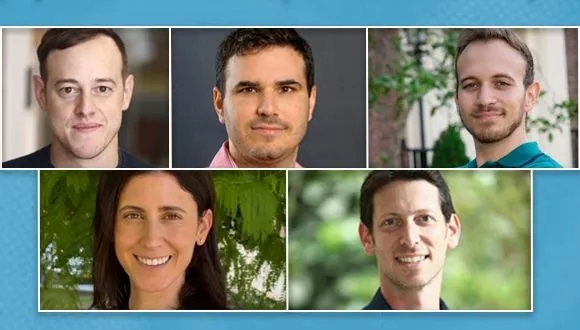
Tel Aviv University leads Israeli universities this year in the number of ERC Starting Grants awarded, with five researchers receiving the prestigious grants from the European Research Council (ERC).
The grants are awarded to researchers at the beginning of their independent academic careers, enabling them to establish research groups and pursue ambitious ideas over several years.
But what exactly are they trying to discover?
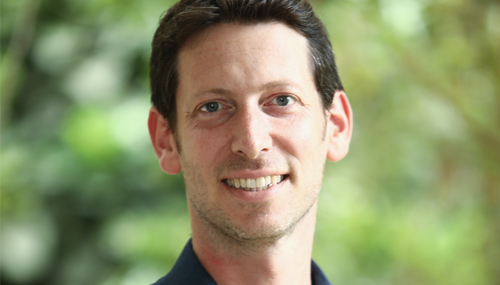
Dr. Ran Finkelstein is developing a new quantum processor based on atoms that can be controlled and measured with high precision.
Using this system, he aims to create and study new states of quantum matter that could advance our understanding of the quantum world and contribute to the development of future quantum technologies.
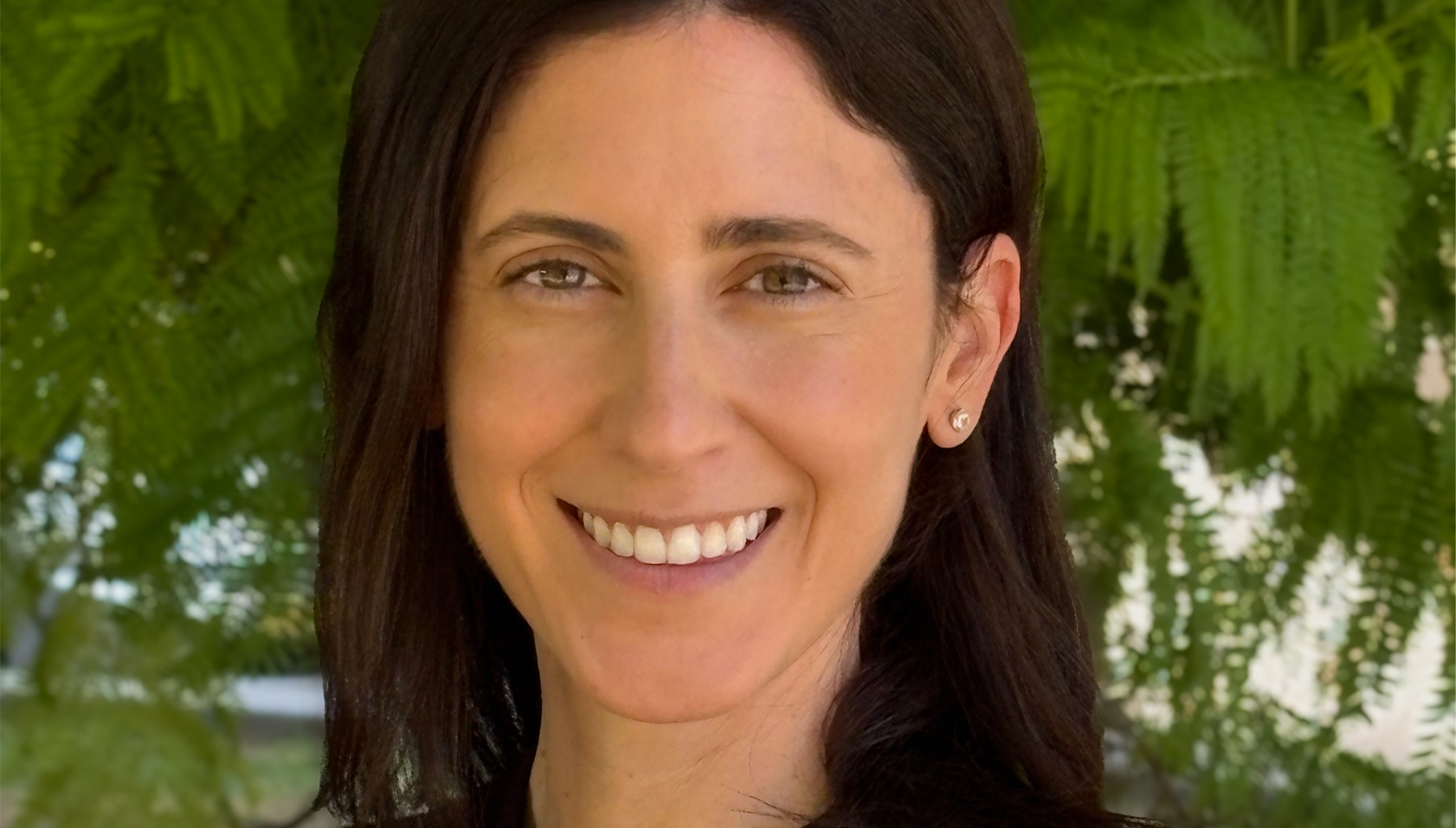
Dr. Fleischer develops miniature models that mimic the activity of human organs in the laboratory.
In her new research, she will create a model of a human heart with a “biological clock” to understand how day-night cycles affect heart function and the development of disease—knowledge that could ultimately help develop more personalized treatments.
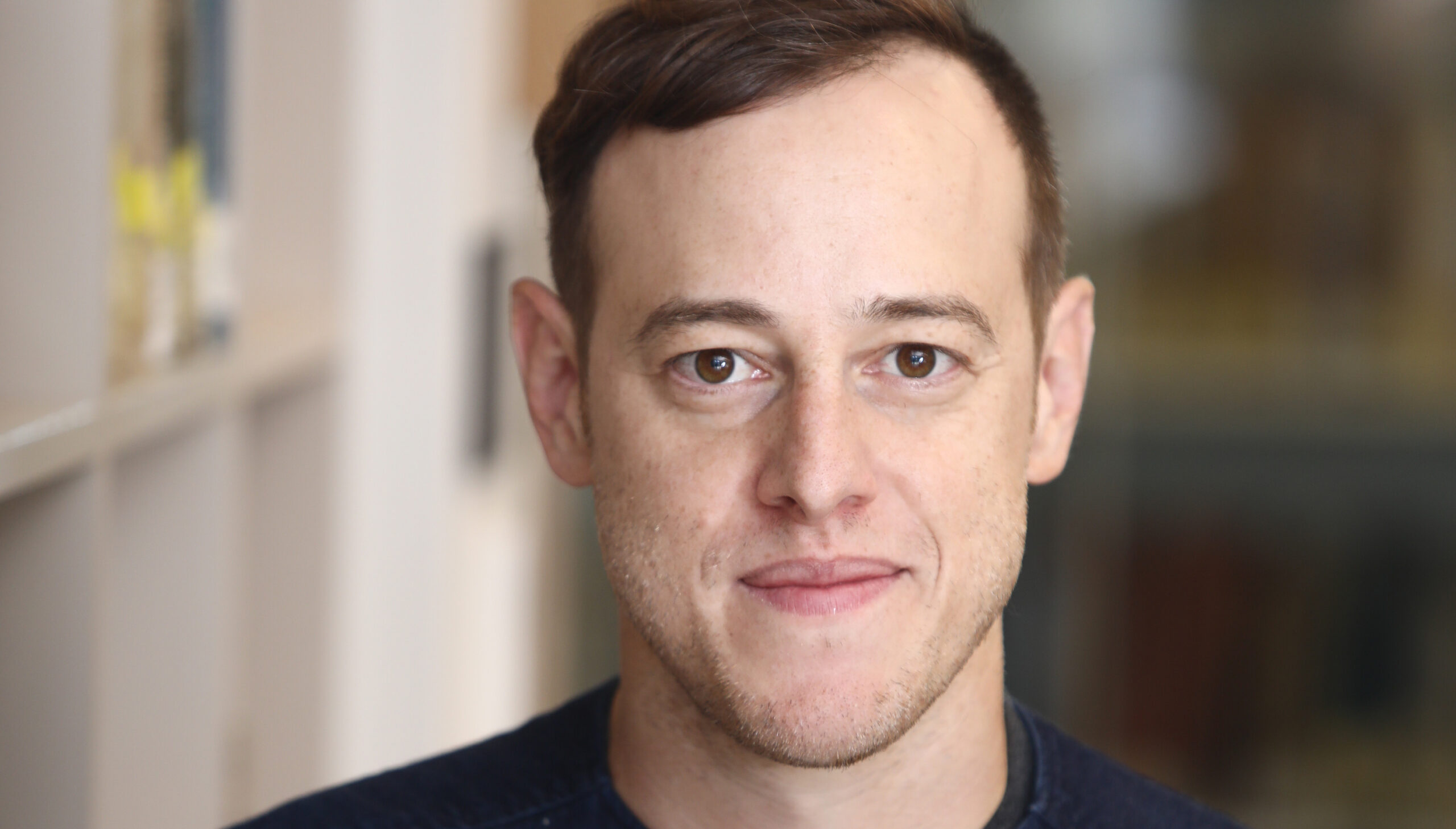
Dr. Vinograd studies how the activity of nerve cells creates and regulates our emotional states.
Using advanced brain research technologies and computational models, he aims to understand what causes an emotion to arise, what determines its intensity, and how it influences our behavior.
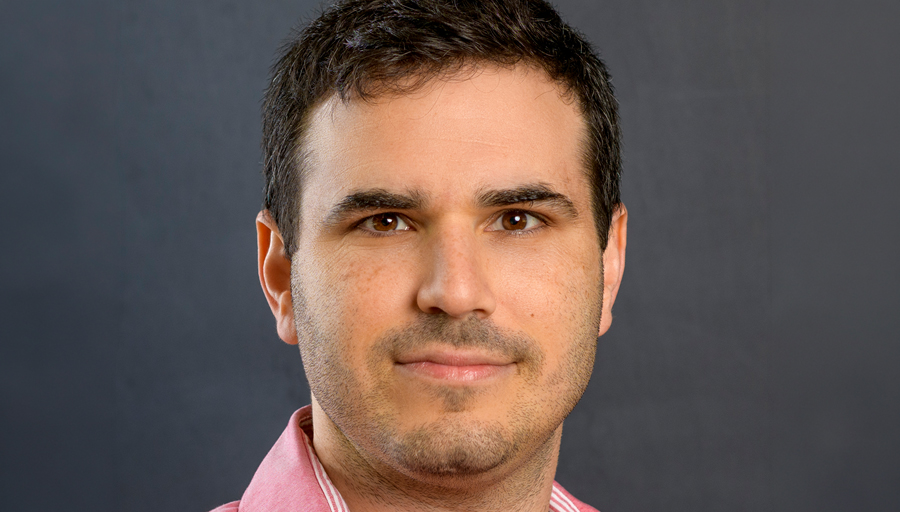
Dr. Chapman studies questions at the intersection of mathematics, computer science, and quantum physics.
In his new research, he uses ideas from quantum information to solve open mathematical problems and investigate the limits of what can be computed and proven.
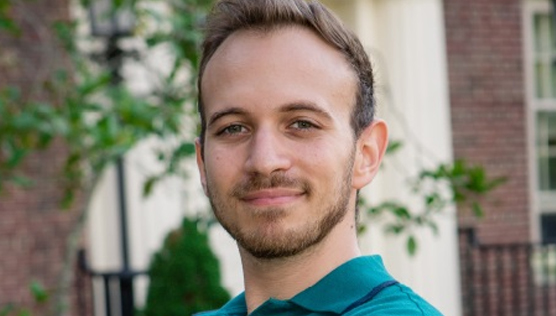
Dr. Zamir studies the limits of computational capability—in other words, how much time a computer actually needs to solve complex problems.
His research could help us better understand how to improve algorithms and may also contribute to fields such as cryptography and the safety of artificial intelligence systems.